Magoksa Temple
麻谷寺- Era
- Founded 640 · 삼국시대
- Sect
- 조계종
- Feature
- 33 Avalokiteśvara Sacred Sites, District Head Temple, UNESCO World Heritage, Thousand-Year-Old Temple
966 Magoksa-ro, Sagok-myeon, Gongju City, South Chungcheong Province
Founded 640 · 삼국시대조계종
0 visitors
Verify your visit to unlock challenges.
Temple information
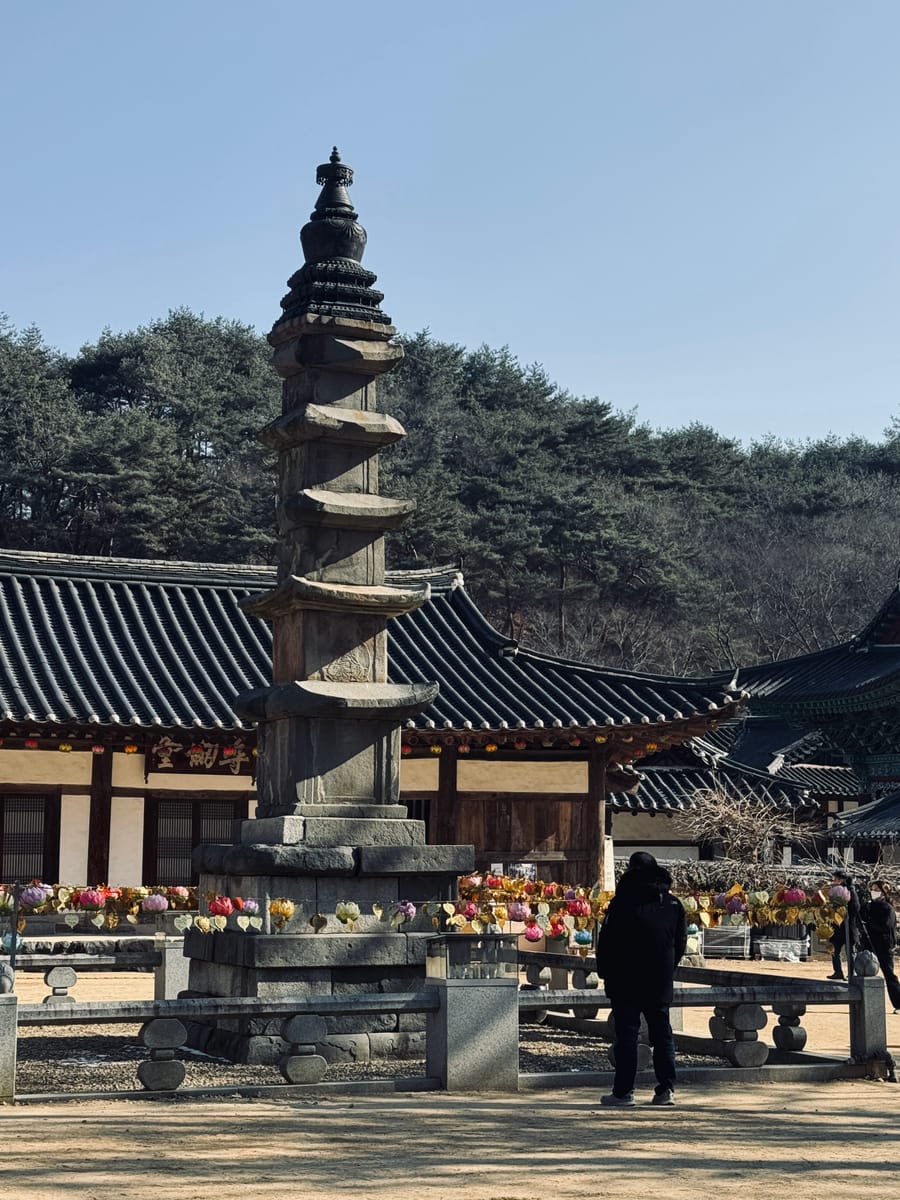
Gongju Magoksa Temple was founded by Jajang in the 9th year of Queen Seondeok of Silla (640). It is said that the name Magoksa originated when the Venerable Bocheol of Silla was preaching, and the assembled devotees were likened to stalks of hemp in a field. At the time of its founding, it was a grand temple with over 30 bays, but currently, structures such as Daeungbojeon, Daegwangbojeon, Yeongsanjeon, Sacheonwangmun, and Haetalmun remain. In addition, there is a five-story stone pagoda, one hanging scroll painting (gwaebul), a wooden tablet, a palanquin ridden by King Sejo of Joseon, a bronze censer, and ancient books. As representative relics of Buddhist culture from the late Goryeo period, several handwritten Buddhist scriptures copied with gold and silver ink are also preserved. The area around Magoksa Temple is known as one of the Sibseungjiji (ten auspicious places) during the Joseon Dynasty, a special region where one could avoid danger during times of war. According to Yi Jung-hwan's "Taengniji," Magoksa Temple avoided the ravages of the Imjin War and also survived the Korean War without suffering war damage. Recognizing these values, it was designated as a UNESCO World Heritage site, one of the "Sansa, Buddhist Mountain Monasteries in Korea," and several cultural properties within the temple were designated as Tangible Cultural Heritage and Cultural Heritage Materials of Chungcheongnam-do Province.